Introduction
Culture plays a pivotal role in enhancing local growth, influencing everything from economic development to social cohesion. By nurturing creativity, promoting diversity, and preserving heritage, a vibrant cultural scene can attract tourism, boost local businesses, and inspire innovation. Additionally, cultural initiatives often enhance community identity and pride, leading to greater civic engagement and improved quality of life. In an increasingly globalised world, leveraging local culture becomes essential for sustainable growth, allowing communities to differentiate themselves and build unique, resilient economies. Culture-driven growth can create jobs, stimulate urban regeneration, and attract investments.
Cultural activities provide platforms for education and skill development, equipping individuals with the tools to thrive in a modern economy. The dynamic interplay between culture and growth underscores the importance of investing in and supporting cultural activities and institutions at the local level.
Why is the topic important:
Culture and local growth are integral to community development for several reasons:
- Sense of Identity and Belonging: Culture enhances a sense of identity and belonging, strengthening community bonds and social cohesion. When people feel connected to their cultural heritage and local traditions, they are more likely to engage in communal activities and support one another, enhancing overall social stability.
- Economic Development: Cultural activities and institutions can drive economic development by attracting tourism, generating jobs, and encouraging local entrepreneurship. Cultural festivals, museums, and art galleries, for example, can draw visitors and stimulate spending in local businesses, creating a ripple effect that benefits the entire community.
- Inclusivity and Diversity: A strong cultural sector can promote inclusivity and diversity, offering platforms for various voices and perspectives. This inclusivity can lead to more innovative and creative solutions to local challenges, as diverse viewpoints are considered and integrated into community planning and development.
- Urban Regeneration: Investing in culture and growth can lead to urban regeneration and revitalisation. Cultural projects can transform neglected areas into vibrant hubs of activity, making them more attractive to residents, businesses, and investors. This not only improves the physical landscape but also boosts community morale and pride.
- Quality of Life: Culture and growth contribute to the overall quality of life. Access to cultural experiences, such as music, theatre, and art, enriches people's lives, providing enjoyment, education, and opportunities for personal growth. Culture is also a great tool to engage people of all ages. This enrichment leads to a more engaged, informed, and fulfilled community.
Summary of the key methods:
It is important to create a cultural ecosystem that drives economic growth. Below are some methods on how to utilise culture to boost local growth:
- Cultural Festivals and Events: Organising festivals, fairs, and cultural events attracts tourism, generates revenue for local businesses, and builds community spirit.
- Support for Arts and Creative Industries: Investing in local artists, theatres, music venues, and creative startups stimulates innovation, creates jobs, and enhances the local economy.
- Preservation and Promotion of Heritage: Protecting historical sites and promoting local heritage strengthens community identity and draws cultural tourism.
- Cultural Infrastructure Development: Building and maintaining museums, galleries, cultural centres, and public art installations provide spaces for cultural engagement and learning.
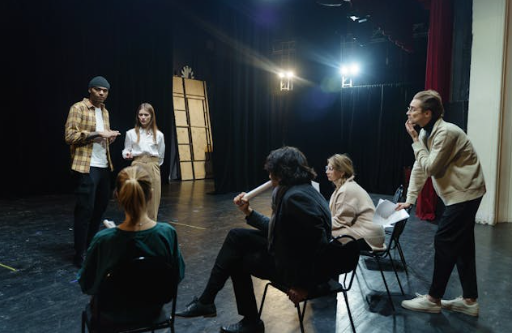
- Community-Based Cultural Programs: Initiatives such as art workshops, cultural education programs, and community theatre promote inclusivity and engage residents in cultural activities.
- Public-Private Partnerships: Collaborating with businesses, government agencies, and non-profits can fund and support cultural projects, ensuring sustainable growth.
- Marketing and Branding: Developing a strong cultural brand for the community can attract visitors, new residents, and investors by highlighting unique cultural assets (example Bournville known for Cadbury).
- Integration of Culture into Urban Planning: Including cultural considerations in city planning ensures that development projects support cultural activities and spaces.
Challenge
Objective: Engage Local School Children in Theatre to Improve Employment Opportunities
Engaging school children in theatre can significantly enhance their employability by developing a range of transferable skills, fostering creativity, and providing real-world experience.
Step 1
- Collaborate with school administrators to include theatre arts in the curriculum.
- Develop a curriculum that covers acting, scriptwriting, stage management, set design, and technical production.
Step 2
- Establish after-school theatre clubs that allow students to engage in theatre activities regularly.
- Provide opportunities for students to take on various roles, from performing to managing backstage tasks.
Step 3
- Focus on developing key soft skills such as communication, teamwork, problem-solving, and leadership through theatre exercises and productions.
- Encourage students to participate in all aspects of theatre production to gain a holistic understanding.
Step 4
- Invite professionals from the theatre and performing arts industry to conduct workshops and masterclasses.
- Cover diverse topics such as acting techniques, public speaking, resume building, and interview skills.
Step 5
- Produce school plays and musicals, involving students in every aspect from acting to production design.
- Use these productions as opportunities for students to showcase their talents and skills to the community and potential employers.
- Build relationships with local theatre companies, cultural institutions, and arts organizations to create networking opportunities for students.
- Help students create resumes and cover letters that highlight their theatre-related skills and experiences.
Summary of Material:
For this task you will need to work in groups. Below are some suggestions:
Equipment Required:
- Access to a school auditorium or a multipurpose hall for rehearsals and performances.
- Basic lighting and sound equipment.
- Stage props, costumes, and set design materials.
How to Divide the Groups:
- Organise students into small groups, each focusing on different aspects of theatre (e.g., acting, scriptwriting, stage management, set design).
- Rotate roles periodically to give students a comprehensive understanding of various theatre functions.
- Assign group projects such as producing a short play or a scene, where students must collaborate on all stages from planning to performance.
- Encourage peer-to-peer learning and mentorship within groups.
Websites (URLs):
Culture for Local Development
Culture for Local Development